

By: Megan Marshall
Updated: January 9, 2026
The role of psychology in criminal justice
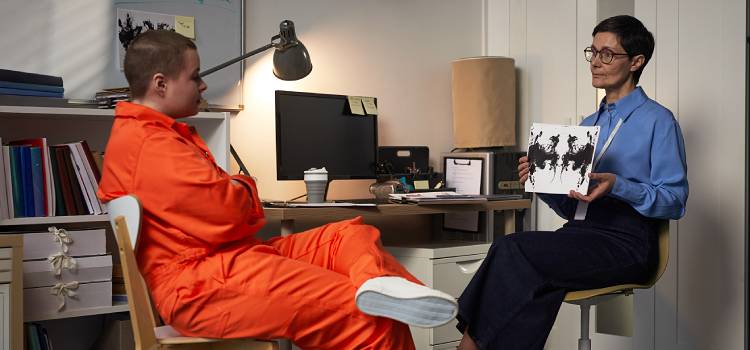
Criminal justice relies on facts. It examines what happened, who was involved and how the law applies. But understanding crime has always required more than a record of events. It demands a closer look at the human mind. Psychology fills that gap. It helps professionals move past the “what” of a crime and into the deeper, far more complicated “why.”

Psychology focuses on the behavior of individual offenders and the forces that motivate individuals to engage in criminal or violent behavior.
“Psychology focuses on the behavior of individual offenders and the forces that motivate individuals to engage in criminal or violent behavior,” the U.S. Department of Justice Office of Justice Programs (OJP) says. That perspective matters. It shapes how investigators identify suspects, how courts evaluate mental states and how correctional systems choose rehabilitation strategies. It also helps professionals understand victims’ emotional responses and the long-term impact of trauma.
Some people break the law out of impulse. Others do it because of untreated mental illness, social learning or complex environmental pressures. Psychology gives the justice system something data alone cannot: context.
In this Article
Understanding criminal behavior through psychology
“The question of why people choose to commit crimes… is at the root of criminal psychology,” Psychology Today says. Answering that question requires drawing from several foundational psychological theories that continue to guide modern criminology.
- Behavior theory emphasizes how rewards and punishments influence actions.
- Social learning theory explains how people internalize behaviors they observe, including aggression, dishonesty and rule-breaking.
- Attachment theory highlights how early relationships shape emotional regulation and empathy.
- Social control theory argues that individuals turn to crime when their bonds to family, community or institutions weaken.
Together, these theories offer a framework for understanding not just what people do, but how they learned to do it. Developmental research strengthens this picture. “Childhood behavior consistently has been found to be the strongest predictor of adolescent and adult problem behavior,” the OJP says. Early aggression, lack of impulse control and inconsistent caregiving can point to later risks. But the story doesn’t end there.
Trauma, personality disorders and substance abuse can significantly alter judgment and emotional stability, sometimes pushing vulnerable individuals toward criminal activity. Research also finds that crime emerges from a complex interplay of genetics, personality, environment and life circumstances rather than a single cause.
For future professionals, these insights become powerful tools for identifying risk factors early. They help social workers and counselors intervene before behavior escalates. And they help criminologists design prevention strategies grounded in science rather than assumptions.
How psychology supports investigations and law enforcement
Psychology helps us understand why crime occurs and provides law enforcement with practical tools to investigate crime more effectively and safely.
Profiling and behavioral analysis
Psychologists help investigators narrow down suspects and anticipate future actions by examining crime scene behavior, offender patterns, motives and emotional signatures. “The goal of criminal profiling is to provide law enforcement with a psychological assessment of the suspect and to provide strategies and suggestions for the interviewing process,” said Kendra Cherry, MSEd.
Strengthening interrogations and threat assessments
Psychology also strengthens threat assessment and interrogation strategies. Understanding cognitive load, stress responses and behavioral cues helps officers detect deception without resorting to coercive methods that could yield unreliable confessions. Research shows that certain interrogation tactics can pressure innocent individuals into admitting to crimes they didn’t commit, and this is a reality that psychology helps prevent.
Improving eyewitness accuracy
Eyewitness interviews benefit as well. Memory is imperfect, malleable and easily influenced. When police understand these limits, they can structure interviews that reduce contamination and avoid leading questions.
Psychology’s role in courts and sentencing
Psychology holds a powerful influence in the courtroom. Every legal decision, from the charges filed to the sentence imposed, is shaped by a deeper question: What was this person’s mental state, and how does it affect their responsibility? That’s where psychological expertise becomes indispensable.
- Court-ordered evaluations and competency decisions: Judges regularly rely on forensic psychologists to conduct court-ordered evaluations that determine whether defendants understand the charges against them, can participate in their defense or were mentally aware at the time of the offense.
- Strategy and jury selection: Attorneys consult psychologists to understand juror behavior, refine arguments and select juries less vulnerable to bias.
- Safeguarding against wrongful convictions: Psychology also protects the integrity of the justice process. Without psychological insight, many cases can result in false convictions and inappropriate sentencing.
Through each of these touchpoints, psychology grounds legal decisions in evidence and fairness.
How psychology supports victims, rehabilitation and reentry planning
Psychology plays an essential role in supporting victims, guiding rehabilitation and helping people rebuild their lives after incarceration.
Trauma-informed care and victim advocacy
Trauma shapes memory, communication and the ability to participate in legal proceedings. Psychology helps advocates, attorneys and counselors respond with empathy and evidence-based care. Victims’ responses to crime vary widely and require professionals who understand mental and emotional processes. Forensic psychologists frequently work in victim advocacy roles to offer this support.
Rehabilitation and reentry planning
Inside correctional settings, forensic and correctional psychologists develop treatment programs for substance abuse, anger, trauma recovery and behavioral change in an effort to reduce recidivism. These interventions address underlying factors such as addiction, personality disorders and early trauma, which are major contributors to criminal behavior.
Psychological support also helps individuals reintegrate safely into their communities and break long-standing behavioral cycles.
Careers that blend psychology and criminal justice
Psychology and criminal justice intersect in a wide range of careers, each requiring professionals to understand human behavior and the legal systems that respond to it. Here are some of the most impactful career paths that draw from both fields:
- Forensic psychologists apply clinical expertise to legal questions, conduct evaluations and provide expert testimony.
- Criminal profilers use behavioral science and crime-scene patterns to support investigations.
- Crime analysts identify trends and behavioral patterns to support strategic policing.
- Correctional counselors develop treatment plans, support rehabilitation and help individuals prepare for reentry.
- Victim advocates offer trauma-informed guidance for victims navigating emotional recovery and legal processes.
- Investigators use psychological principles to conduct interviews, assess threats and interpret behavior.
- Probation or parole officers apply behavioral knowledge to monitor progress and guide rehabilitation.
- Behavioral analysts design and implement behavior intervention strategies across justice or community settings.
Across all these roles, psychological training deepens empathy, strengthens judgment and enhances public safety by helping professionals understand behavior and respond to it responsibly.
How to find academic programs that prepare students for interdisciplinary careers in criminal justice
For students interested in careers that blend psychology and criminal justice, the first step is choosing an academic path that builds strength in both human behavior and legal systems. It’s helpful to look for programs that intentionally connect psychological theory with criminology, justice policy and behavioral analysis.
You could start by exploring majors such as psychology, criminology, criminal justice, forensic psychology or behavioral science. A psychology major emphasizes cognition, emotion, development and abnormal behavior, all of which are core to understanding offenders and supporting victims. A criminology or criminal justice major focuses on legal structures, investigative processes, sentencing and correctional systems. Programs that allow students to pair these fields, double major or add a complementary minor provide especially valuable flexibility.
When evaluating criminal justice programs, look for offerings that cover:
- Behavioral theory and developmental psychology
- Criminological theory and justice policy
- Forensic assessment or profiling coursework
- Research methods and data interpretation
- Criminal justice ethics
- Crisis intervention and trauma-informed practices
- Opportunities for internships or applied experience
Strong interdisciplinary programs also encourage critical thinking, evidence-based reasoning and an understanding of how psychological insights inform investigations, court decisions and rehabilitation.
Wrapping it up
Psychology gives the justice system something it cannot find in evidence alone: a deeper understanding of why people think and act the way they do. It reminds us that victims, defendants, families and communities carry histories, traumas, strengths and vulnerabilities that shape how justice should unfold. For anyone drawn to work in the criminal justice field, psychology offers a way to engage with those realities thoughtfully and responsibly.
When we understand behavior more deeply, we create space for a justice system that responds with fairness and humanity.